Biotech Startup Turns to Space to Manufacture Artificial Retinas for Treating Blindness
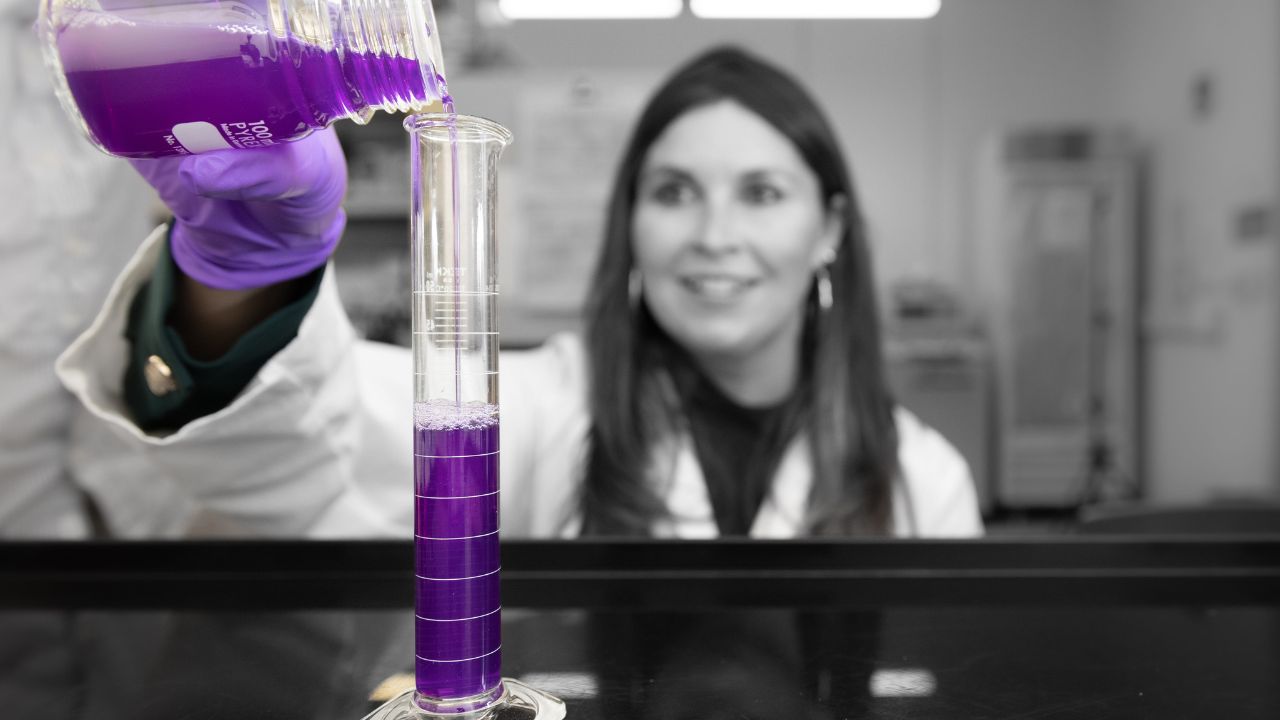
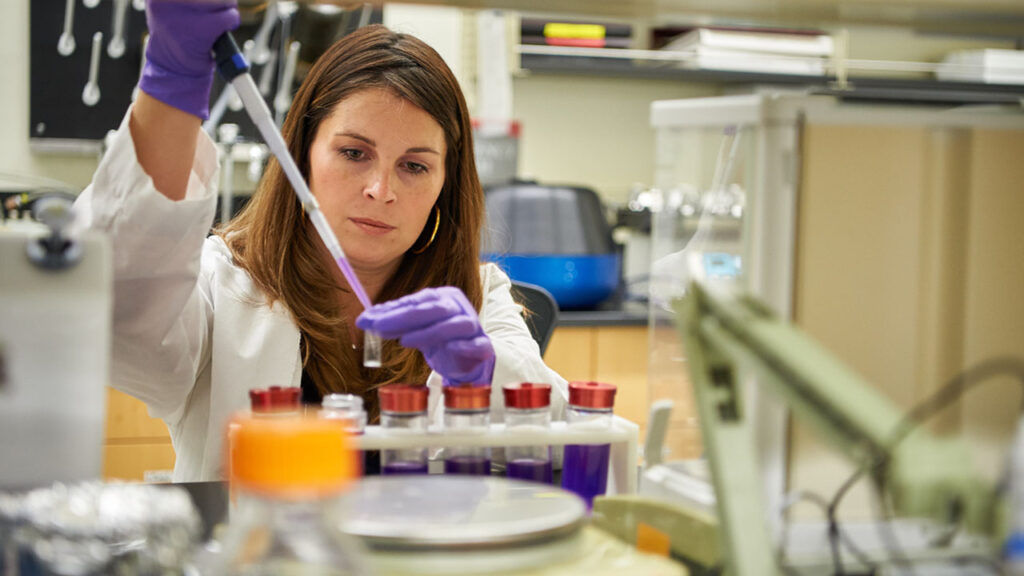
LambdaVision CEO Nicole Wagner working with bacteriorhodopsin, the purple protein used to create the company's artificial retinas.
Media Credit: Media Credit: Juan Patino Photography
Microgravity manufacturing on the ISS improves quality of artificial retinas that could help millions living with vision loss
June 10, 2026
KENNEDY SPACE CENTER (FL), June 10, 2026 – A biotechnology startup is harnessing the unique space environment to manufacture artificial retinas that could one day restore vision to the millions of people blinded by macular degeneration.
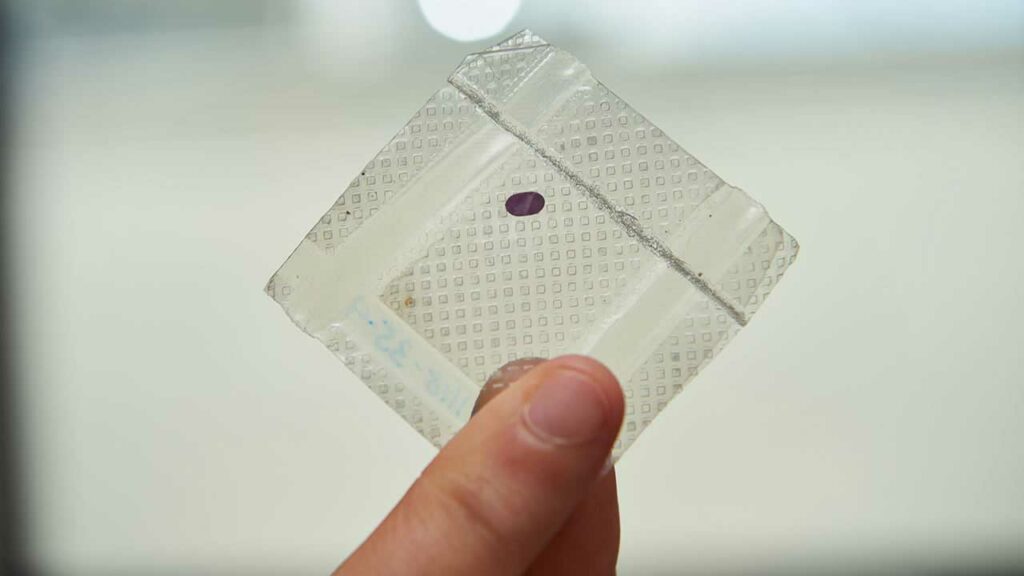
LambdaVision developed an artificial retina made from hundreds of layers of a light‑activated protein. On Earth, gravity‑driven forces such as sedimentation and buoyancy can cause uneven layers, leading to significant material waste and limiting scalability. To overcome this barrier, the company has taken its manufacturing to space.
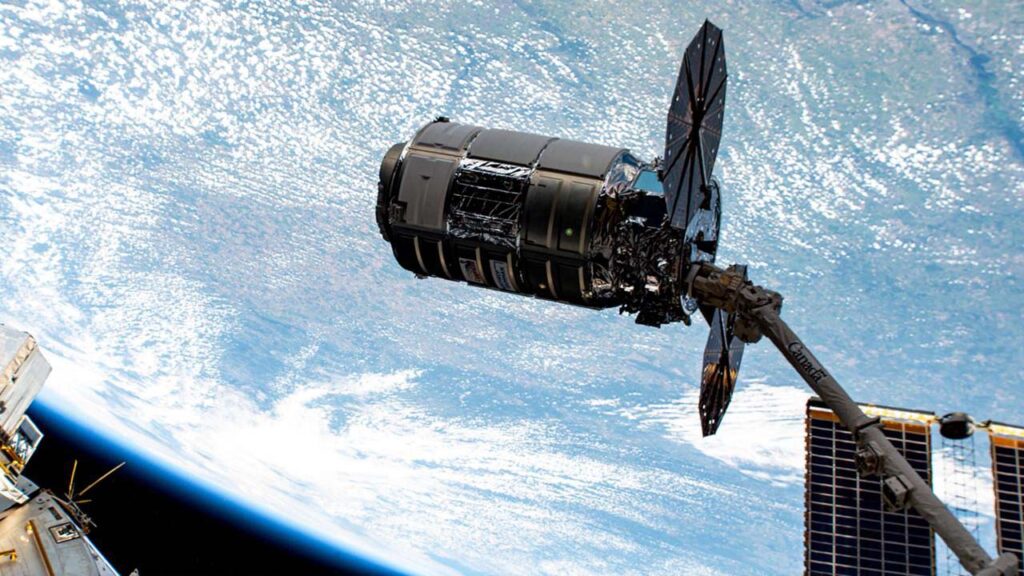
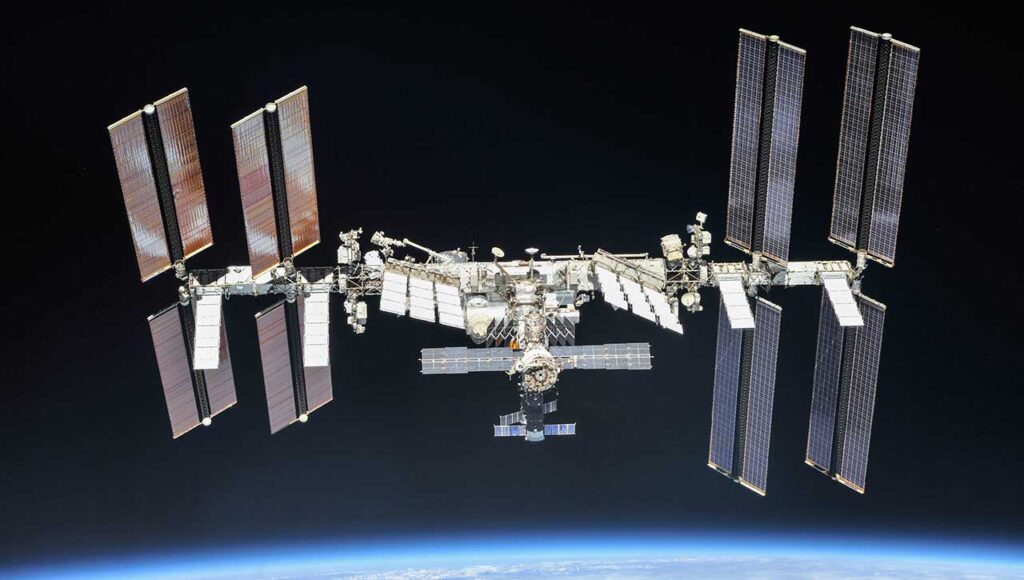
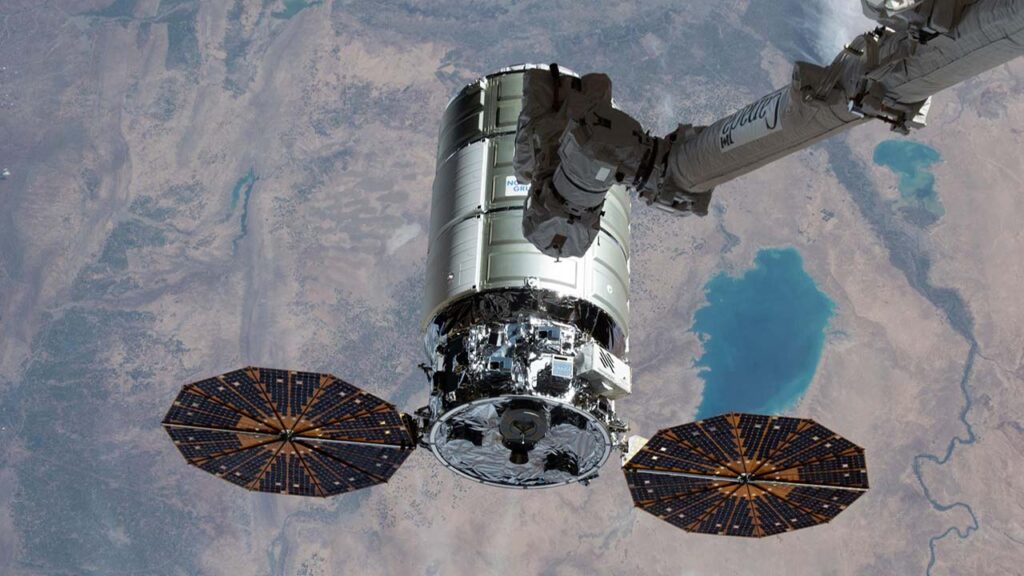
Over the past decade, LambdaVision has conducted nine investigations on the International Space Station (ISSInternational Space Station). Working with ISS National Laboratory® Commercial Service ProviderImplementation Partners that own and operate commercial facilities for the support of research on the ISS or are developing future facilities. Space Tango, the team developed a compact, automated production system that operates inside Space Tango’s CubeLab hardware on the space station.
The results have been striking.
Artificial retinas produced in microgravityThe condition of perceived weightlessness created when an object is in free fall, for example when an object is in orbital motion. Microgravity alters many observable phenomena within the physical and life sciences, allowing scientists to study things in ways not possible on Earth. The International Space Station provides access to a persistent microgravity environment. show markedly improved uniformity, optical performance, and reproducibility compared to those made on Earth. They also show enhanced stability and biocompatibility while using less raw material. Additionally, ISS testing allowed the team to refine automation, fault detection, and quality control—key steps toward meeting regulatory requirements.
“Through our flight projects on the ISS, we’ve taken a lot of the risk out of demonstrating the value of manufacturing in space,” said LambdaVision CEO Nicole Wagner in the cover story for the latest issue of Upward, the official magazine of the ISS National Lab.
LambdaVision ultimately aims to restore sight to patients with age‑related macular degeneration and retinitis pigmentosa, conditions that currently have no cure and affect more than 200 million people worldwide.
LambdaVision’s next ISS investigation is scheduled to launch later this year, focusing on increasing production volume and further optimizing the manufacturing process. The company has also reserved capacity on the future Starlab commercial space station to continue in‑orbit manufacturing after the ISS is retired. The company has also announced plans to leverage future commercial space stations, including Starlab and Vast’s Haven, to continue in‑space manufacturing following retirement of the ISS.
“We’re now thinking about how we scale in orbit and what’s next as we transition from the ISS to other platforms in the future,” Wagner told Upward.
Read the full story in Upward, the official magazine for the ISS National Lab. In your coverage, please link to the original story and credit the ISS National Laboratory® as the research sponsor.
This release has been updated to reflect recent LambdaVision company announcements.
Download a high-resolution image for this release: LambdaVision Microgravity Manufacturing
Media Contact: Amy Elkavich
Email: aelkavich@ISSNationalLab.org