NIH Releases Update on Tissue Chips Research

Star trails and city lights streak by as the International Space Station orbits Earth
Media Credit: NASA
February 25, 2026
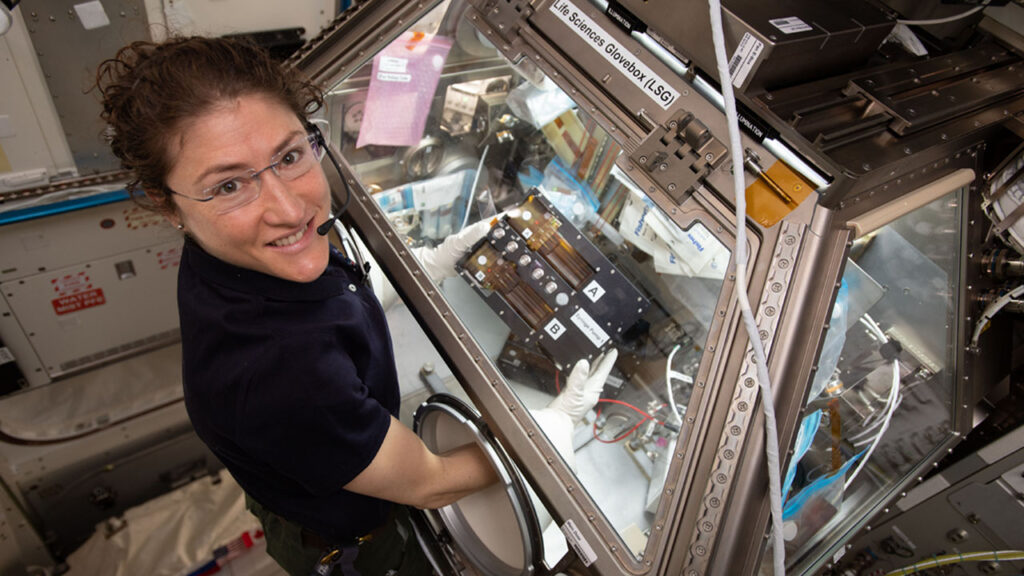
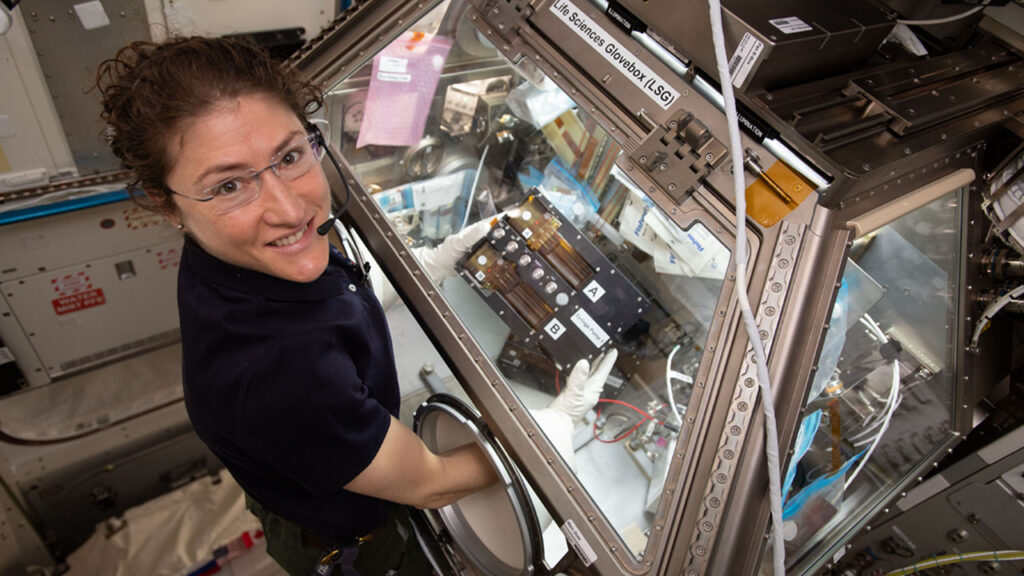
Six research projects were selected through a joint solicitation from the International Space Station (ISS) National Laboratory and the National Institutes of Health (NIH) as part of the Tissue Chips in Space 2.0 initiative. The ISS National Lab first began collaborating with NIH’s National Center for Advancing Translational Sciences (NCATS) on tissue chips in space nearly a decade ago.
As highlighted by NCATS in a recent press release, six teams were selected to develop investigations using tissue chips, which model human organ function, to advance research in several disease areas. The intention is to launch the tissue chips to the ISS, where microgravity offers researchers a powerful opportunity to study accelerated aging and identify subtle disease processes that are difficult to observe on Earth.
Building on the success of earlier tissue chip research on the ISS, Tissue Chips in Space 2.0 seeks to expand scientific understanding of cellular- and tissue‑level changes associated with aging and the development of age-related conditions. The investigations aim to inform future clinical studies and accelerate the development of new treatments for conditions such as cardiac dysfunction, neurological disorders, immune and inflammatory conditions, and lung disease.