September 2026
Welcome to Space Station Spotlight, the monthly newsletter of the ISS National Laboratory®.

What’s new at the ISS National Lab?
The scientific impact of this ISS National Lab-sponsored research is demonstrated by more than 675 peer-reviewed publications, including more than 20% in top-tier journals. Read more.
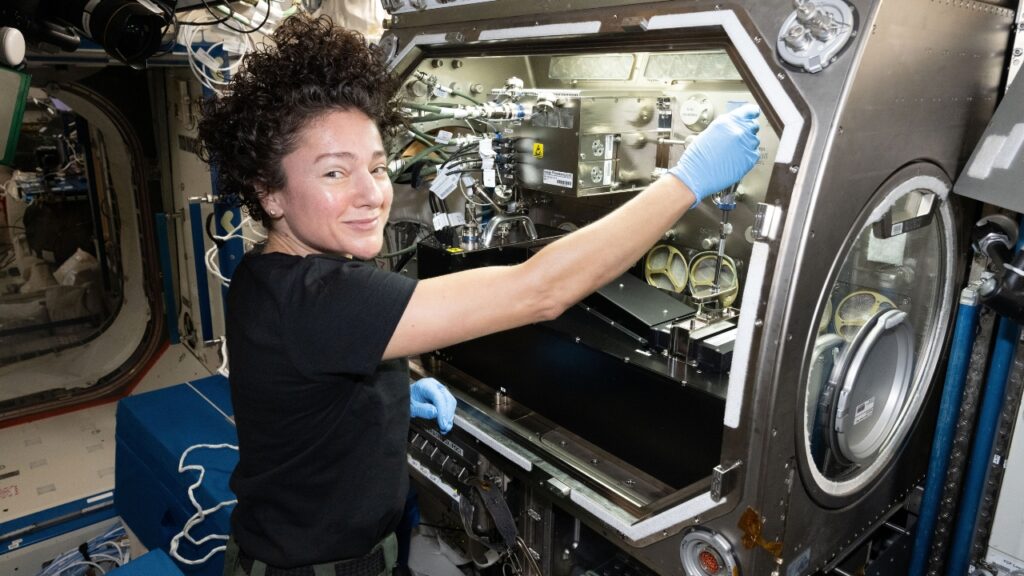
The investigations will build on more than 10 years of collaboration between the ISS National Lab and NSF to support fundamental science that can deliver tangible benefits for life on Earth.
Learn more.

In the latest episode, adidas engineer Henry Hanson discusses how space-based research supported the development of the company’s 2026 World Cup ball. Find out more.
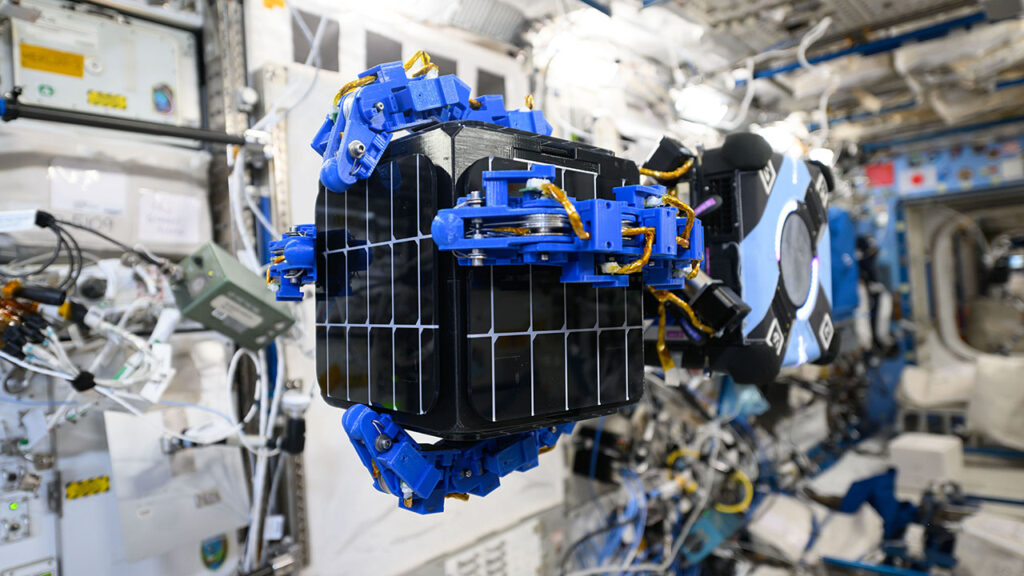
Kall Morris Inc.’s REACCH capture system could help remove space debris, support satellite end-of-life operations, transport spacecraft to and from refueling hubs, and more.
Read the full case study.
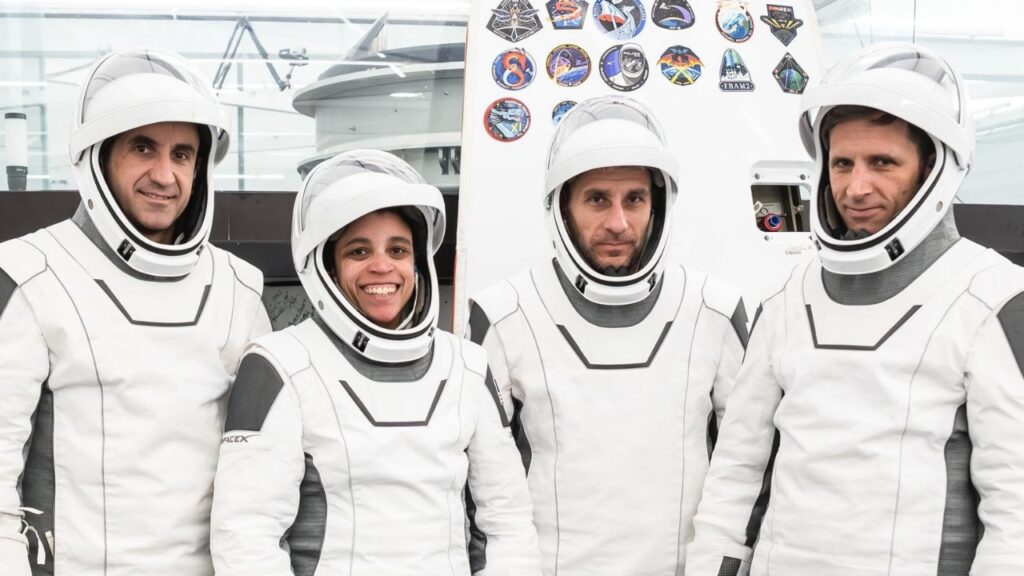
The mission, set to launch no earlier than Oct. 1, will carry four new crew members to the ISS, including two NASA astronauts, one Canadian Space Agency astronaut, and one Roscosmos cosmonaut. Learn more.
Partner News
NASA astronaut Jessica Meir and ESA astronaut Sophie Adenot complete the sixth all-female ISS spacewalk. The two completed most tasks despite a mobility issue with Adenot’s spacesuit late in the nearly seven-hour spacewalk.
Russia launched its Progress 96 cargo mission to the ISS. The mission brought about three tons of food, propellant, and other supplies for the astronauts. The spacecraft will remain docked to the ISS for about five months before undocking and burning up in Earth’s atmosphere.
The Exploration Company will launch its first Nyx cargo spacecraft demonstration to the ISS on an Ariane 6 rocket. The mission is part of the European Space Agency (ESA) ALADDIN initiative, the second phase of the ESA’s commercial cargo program.
The first Greek astronaut will fly to the ISS on Vast’s first private astronaut mission. ESA signed an agreement with Vast for Adrianos Golemis to join the mission, which will be the sixth private astronaut mission to the ISS conducted in partnership with NASA.
Exobiosphere is partnering with Voyager Technologies for two additional research missions to the ISS.Two customers will conduct research on the ISS using Exobiosphere’s automated drug screening system. Voyager will provide mission management and ISS integration services.
Vast established a Lunar Programs division with several products to support NASA’s Moon Base program. The company said the planned Vast Lunar Habitat will rely heavily on architecture from its Haven-1 commercial space station currently under development and targeted to launch in 2027.
Starlab Space is collaborating with Arkwright Space on in-space electronics and semiconductor manufacturing. The companies signed an agreement for Arkwright Space to demonstrate in-orbit manufacturing capabilities on Starlab’s commercial space station.
AIAA announced a call for content for its ASCEND 2027 conference. The submission period is open for technical papers and sessions presenting original work, applied solutions, lessons learned, or thought leadership. The deadline for submissions is Oct. 8.
Results
The latest issue of Upward, official magazine of the ISS National Lab, is online. Explore findings from space-based R&D—download the current and past issues here.
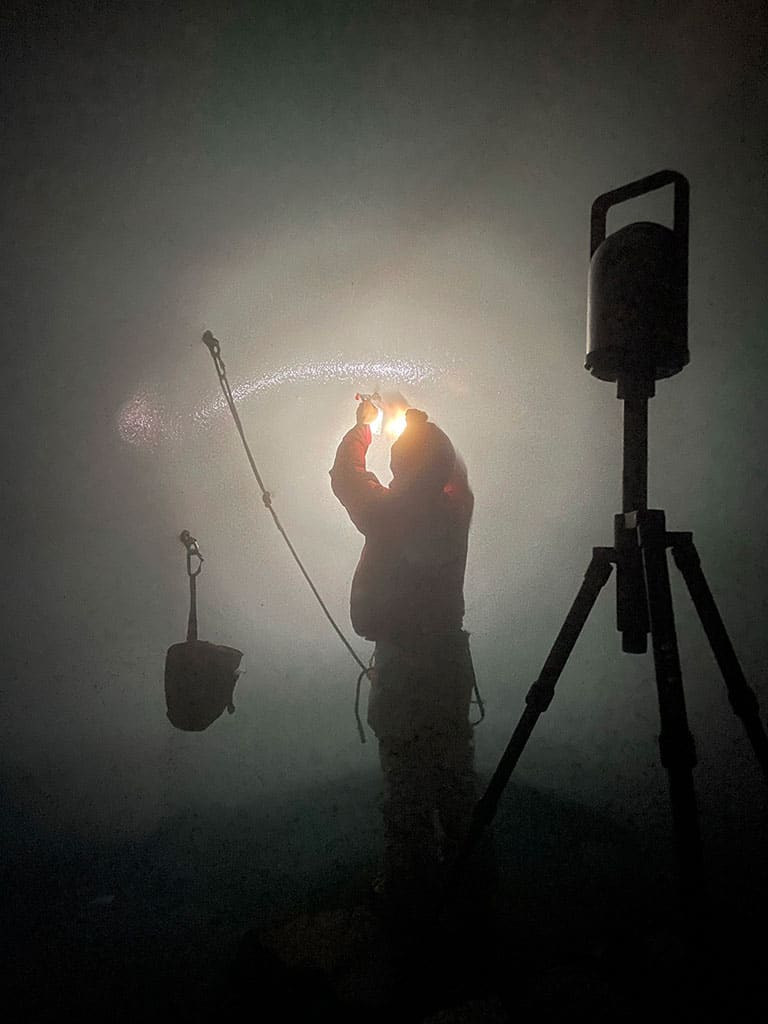
Why was an Arctic microbe sent to the ISS? Portland State University researchers sent the tiny bacterium to space to test a new holographic microscope designed to search for life in oceans on distant moons and planets. Read the Upward feature “Hidden Worlds” to see how the ELVIS microscope could one day help search for life beyond Earth.
Researchers successfully demonstrated a high-temperature superconducting magnet on the ISS. The study, published in Superconductivity, showed that the technology can operate in space and could support future applications such as more efficient spacecraft propulsion and other advanced space systems.