ISS National Lab-Sponsored Research Aims to Improve Cancer Treatments, Muscle Health, and Regenerative Medicine
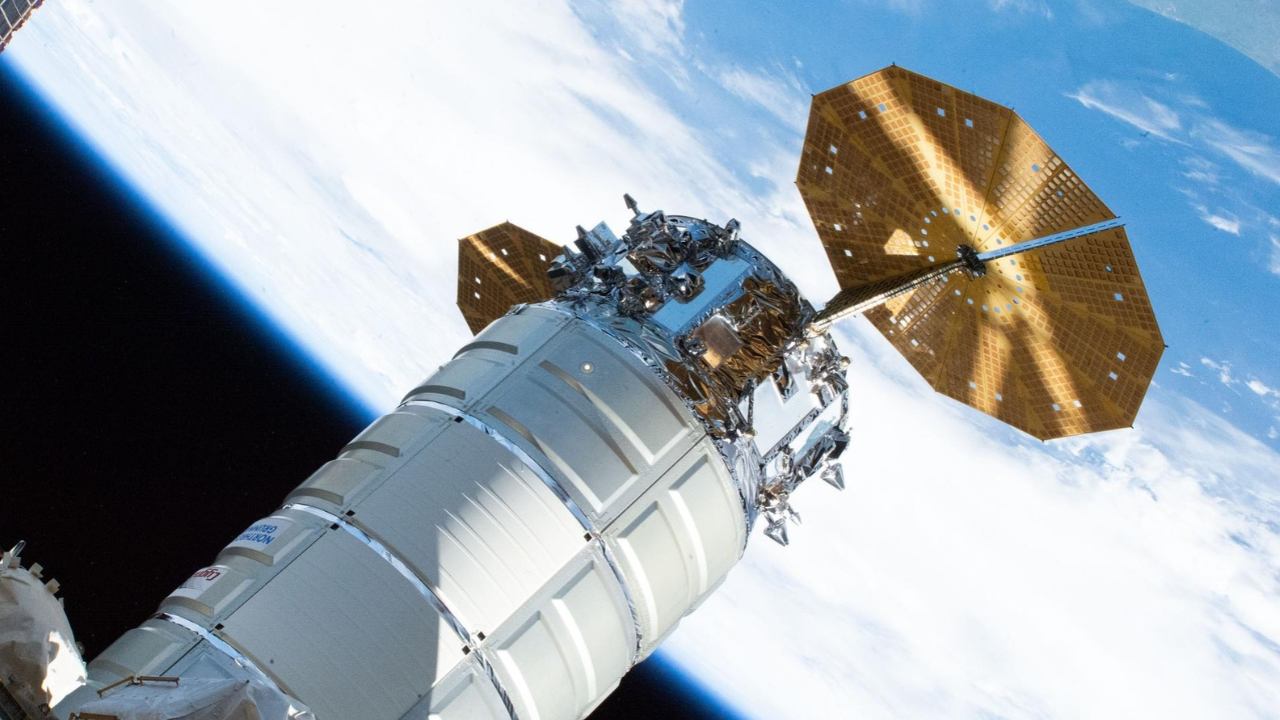
Northrop Grumman's Cygnus XL cargo spacecraft berthed to the International Space Station earlier this year.
Media Credit: NASA
Multiple investigations flying on NASA’s Northrop Grumman CRS-25 mission will leverage the unique conditions of space to accelerate biomedical discovery
November 19, 2026
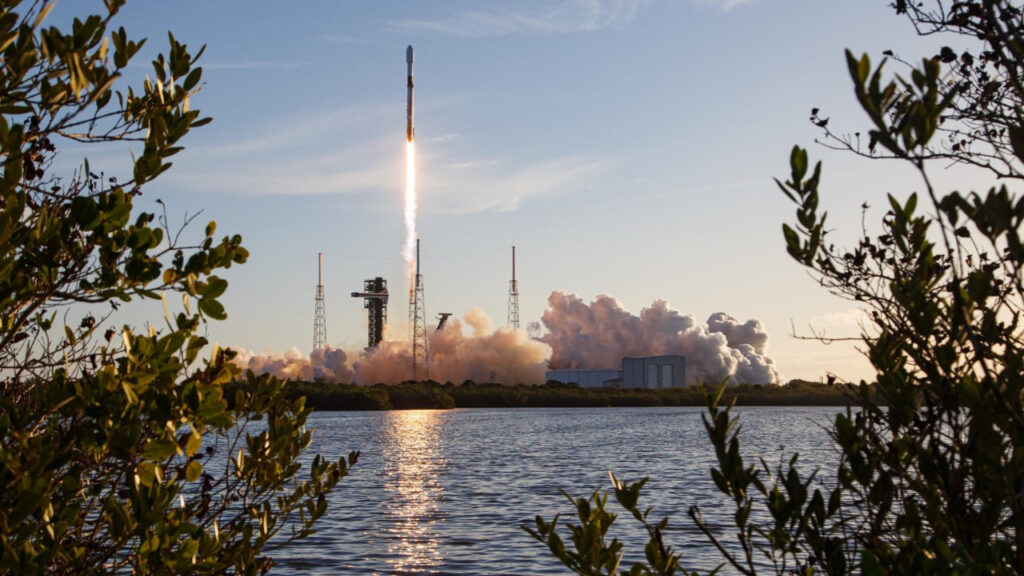
KENNEDY SPACE CENTER (FL), November 19, 2026 – From screening FDA-approved drugs that could treat age-related muscle loss to developing new cancer therapies and advancing bioprinted tissues, researchers are leveraging the unique environment of space to tackle some of medicine’s most pressing challenges. These projects, along with dozens more sponsored by the International Space Station (ISSInternational Space Station) National Laboratory are set to launch on NASA’s Northrop Grumman Commercial Resupply Services 25 (CRS-25) mission, targeted for liftoff at 10:47 a.m. ET on November 29 from Space Launch Complex 40 at Cape Canaveral Space Force Station in Florida.
In the microgravityThe condition of perceived weightlessness created when an object is in free fall, for example when an object is in orbital motion. Microgravity alters many observable phenomena within the physical and life sciences, allowing scientists to study things in ways not possible on Earth. The International Space Station provides access to a persistent microgravity environment. environment of the space station, scientists can study cell and tissue behavior in ways that are difficult or impossible to replicate on Earth, providing insights that can accelerate medical discoveries and improve patient outcomes. Below highlights some of the biotechnology and regenerative medicine investigations launching on this mission.
- A project from the Palo Alto Veterans Institute for Research and Stanford University aims to leverage engineered human muscle tissue in microgravity to identify new treatment options for sarcopenia, an age-related condition that causes progressive muscle loss and weakness. The researchers will screen multiple FDA-approved drugs currently used to treat other conditions to identify candidates that could help restore muscle growth and prevent degeneration. This investigation builds on prior ISS National Lab-sponsored research funded by the U.S. National Science Foundation.
- Redpoint Oncology, a recipient of the Boeing and ISS National Lab Technology in Space Prize, will evaluate a novel class of cancer therapeutics known as antibody-drug conjugates (ADCs). The company will use patient-derived tumor organoids grown on the ISS to study treatments designed to target cancers that are resistant to conventional therapies. In microgravity, cancer cells can form three-dimensional structures that more closely resemble human tumors, and disease progression may be accelerated, allowing researchers to evaluate potential treatments more rapidly than is possible on Earth.
- The Wake Forest Institute for Regenerative Medicine will continue research examining the maturation of bioprinted liver tissue containing blood vessels in space. Building on a previous investigation selected through the NASA Vascular Tissue Challenge, the team will examine whether tissue constructs fabricated using advanced 3D bioprinting techniques can mature and function in space. Results could help overcome one of the most significant challenges in regenerative medicine: creating large, viable tissue and organ structures with integrated vascular systems. Funding from the Methuselah Foundation helped support this project.
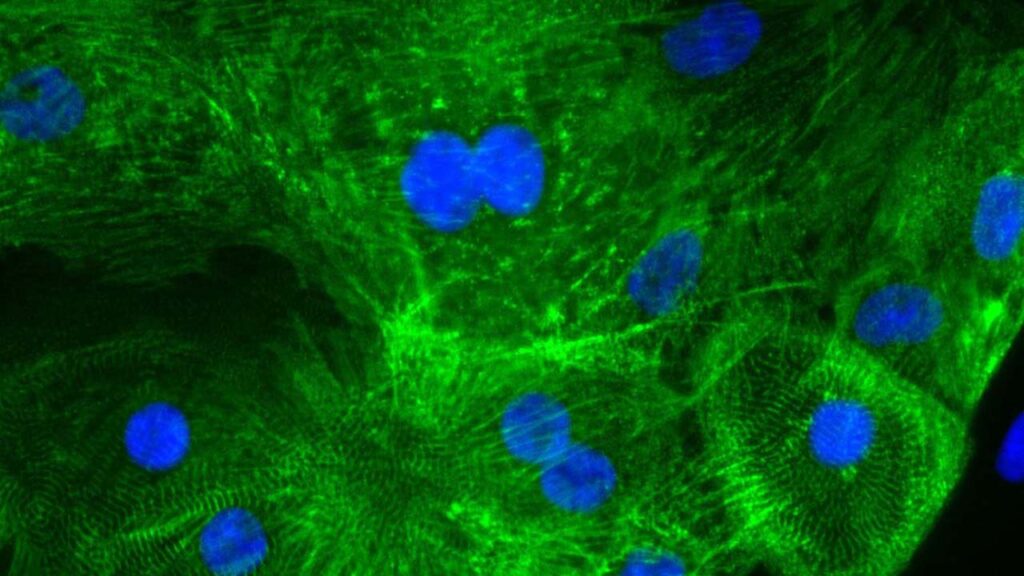
- Earlier this year, Nikon collaborated with ISS National Lab Commercial Service ProviderImplementation Partners that own and operate commercial facilities for the support of research on the ISS or are developing future facilities. BioServe Space Technologies to launch its Nikon Experimentation Microscope (NEMO) to the space station, which is designed to observe the growth of human cells and tissues in the absence of gravity. On this mission, Nikon will launch three experiments evaluating engineered cardiac tissue function,adipogenic cellular differentiation, and kidney spheroid drug response. These investigations intend to further validate NEMO’s capabilities to enable life science and drug discovery research to benefit patients on and off our planet.
As the nation’s only orbiting laboratory, the ISS National Lab continues to support research from the public and private sectors that harnesses the unique characteristics of space to accelerate scientific discovery and improve quality of life. These biomedical investigations launching on NASA’s Northrop Grumman CRS-25 showcase the diverse ways researchers are leveraging this space-based platform to address challenges in medicine, health, and biotechnology.
To learn more about research sponsored by the ISS National Laboratory, visit www.ISSNationalLab.org.
Download a high-resolution image for this release: Northrop Grumman’s Cygnus