Four New Astronauts Arrive at Space Station for Long-Duration Science Expedition
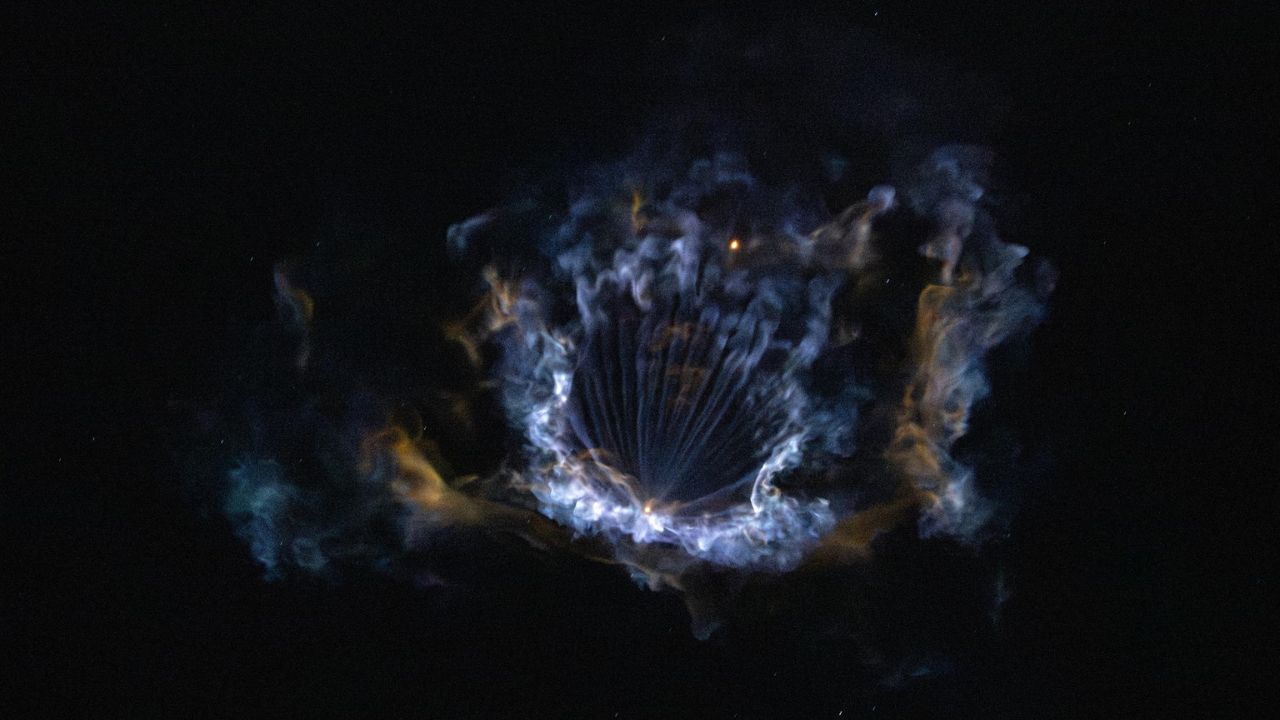
NASA's SpaceX Crew-12 launch
Media Credit: NASA
During the months-long mission, the astronauts will support a wide range of ISS National Lab-sponsored investigations
February 18, 2026
*This release has been updated to correct information regarding the payloads launched on this mission.
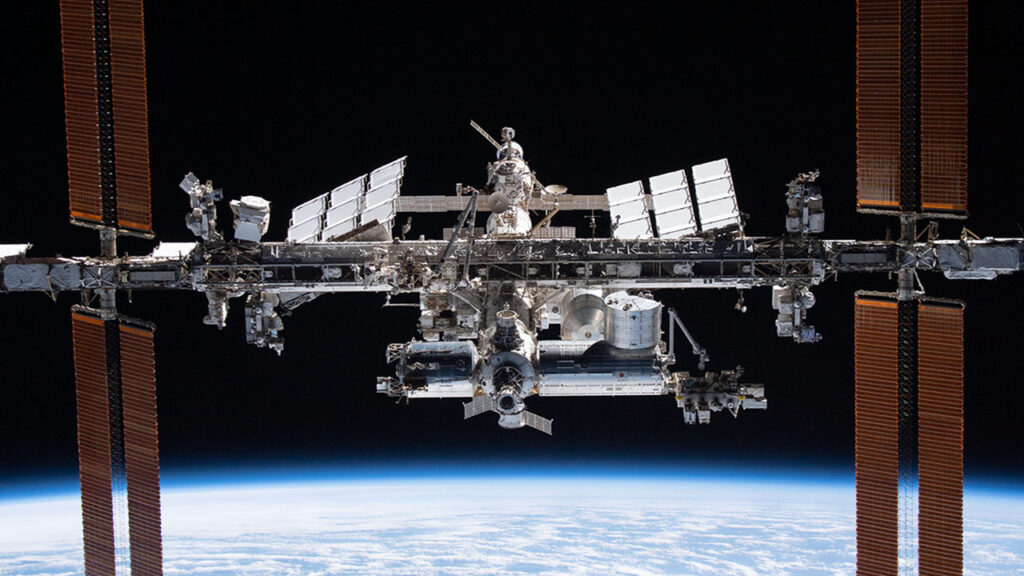
KENNEDY SPACE CENTER (FL), February 18, 2026 – Four astronauts recently embarked on a science expedition to the International Space Station (ISSInternational Space Station), where they will support a variety of investigations to improve life on Earth and push the limits of science and innovation in space.
The mission, SpaceX’s 12th crew rotation for NASANational Aeronautics and Space Administration (Crew-12), launched from NASA’s Kennedy Space Center on February 13, 2026.
With the successful launch, NASA astronauts Jessica Meir and Jack Hathaway, alongside European Space Agency astronaut Sophie Adenot and Roscosmos cosmonaut Andrey Fedyaev joined the current ISS crew members of Expedition 74. While on the space station, the Crew-12 astronauts will work on dozens of payloads sponsored by the ISS National Laboratory® that aim to bring value to humanity and drive a sustainable market economy in low Earth orbit(Abbreviation: LEO) The orbit around the Earth that extends up to an altitude of 2,000 km (1,200 miles) from Earth’s surface. The International Space Station’s orbit is in LEO, at an altitude of approximately 250 miles.. Below highlights some of the ISS National Lab-sponsored investigations the crew will support.
Flying to the space station on Crew-12 is a long-standing education project to inspire the next generation of researchers and prepare the future workforce. Tomatosphere™, a program run by First the Seed Foundation, sends tomato seeds to the ISS for exposure to spaceflight conditions. The program then sends packets of the spaceflight seeds and seeds that remained on Earth to classrooms around the country. Students grow both sets of seeds to see how exposure to spaceflight conditions impacts plant growth.
In the coming weeks and months, the ISS National Lab will highlight additional projects launching on cargo resupply missions through NASA. To learn more about results from R&D conducted on the ISS, subscribe to Upward, the official magazine of the ISS National Lab.
Download a high-resolution image for this release: Crew-12 Launch
# # #
About the International Space Station (ISS) National Laboratory:
The International Space Station (ISS) is a one-of-a-kind laboratory that enables research and technology development not possible on Earth. As a public service enterprise, the ISS National Laboratory® allows researchers to leverage this multiuser facility to improve quality of life on Earth, mature space-based business models, advance science literacy in the future workforce, and expand a sustainable and scalable market in low Earth orbit. Through this orbiting national laboratory, research resources on the ISS are available to support non-NASA science, technology, and education initiatives from U.S. government agencies, academic institutions, and the private sector. The Center for the Advancement of Science in Space® (CASIS®) manages the ISS National Lab, under a Cooperative AgreementA cooperative agreement is Federal assistance that establishes a relationship between the U.S. Government and a recipient in which the principal purpose of the relationship is to accomplish a public purpose of support or stimulation. Since 2011, the Center for the Advancement of Science in Space™ (CASIS™) has managed the National Laboratory® through a Cooperative Agreement with NASA. with NASA, facilitating access to its permanent microgravityThe condition of perceived weightlessness created when an object is in free fall, for example when an object is in orbital motion. Microgravity alters many observable phenomena within the physical and life sciences, allowing scientists to study things in ways not possible on Earth. The International Space Station provides access to a persistent microgravity environment. research environment, a powerful vantage point in low Earth orbit, and the extreme and varied conditions of space. To learn more about the ISS National Lab, visit our website.