February 2026
Welcome to Space Station Spotlight, a monthly newsletter from the ISS National Laboratory®. Here’s where you can find all the latest R&D happenings on the space station, see what our partners are up to, and learn how to elevate your research to new heights by leveraging the unique space environment.

What’s new at the ISS National Lab?
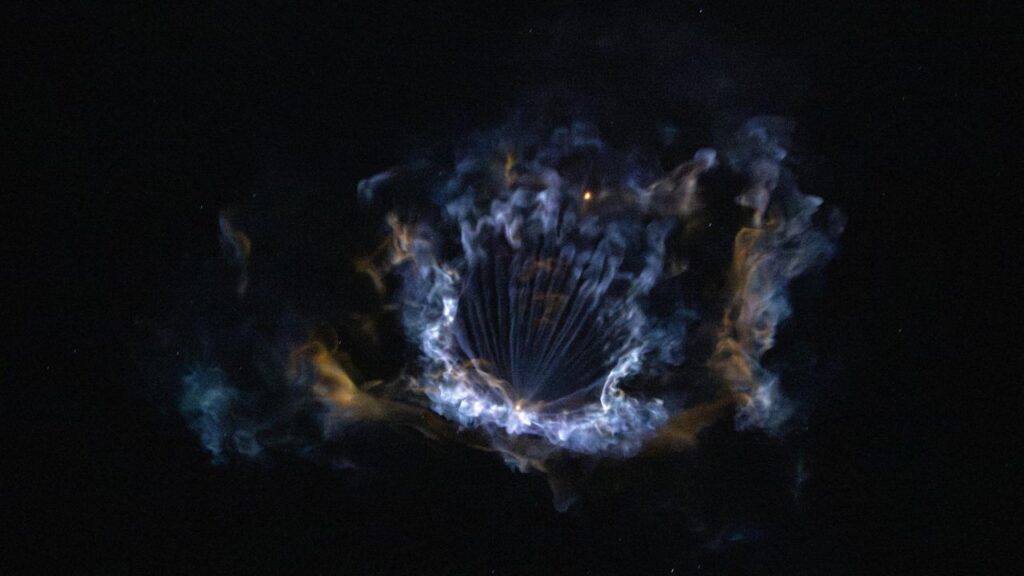
During their time on station, the crew will work on investigations sponsored by the ISS National Lab. Flying with them are seeds for the Tomatosphere program, in which students explore how exposure to spaceflight conditions impacts plant growth. Read more.
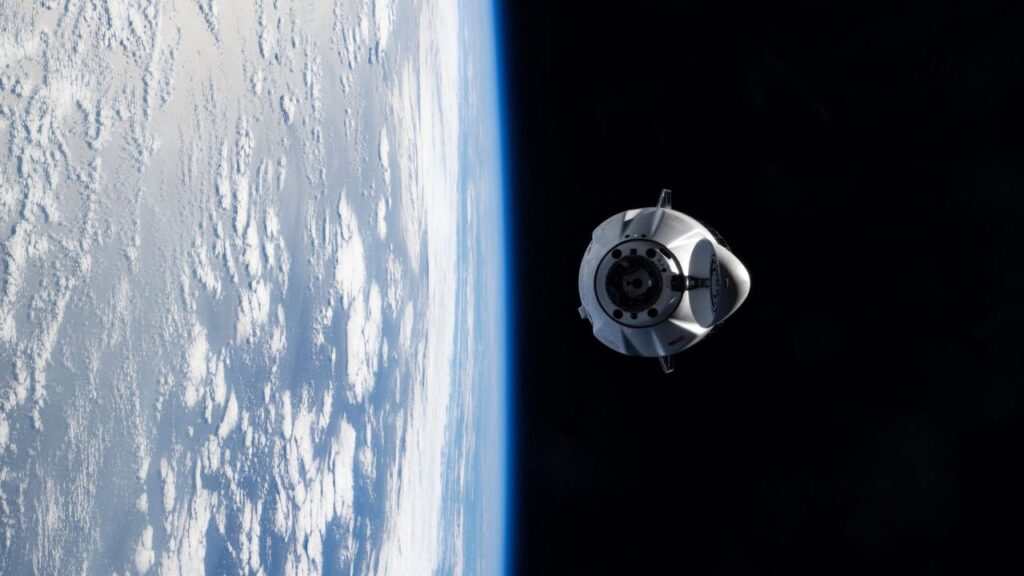
These include projects aimed at advancing tissue engineering for regenerative medicine, accelerating stem cell-based therapies for heart disease and neurodegenerative conditions, and enabling studies on how life adapts under extreme conditions. Read more.
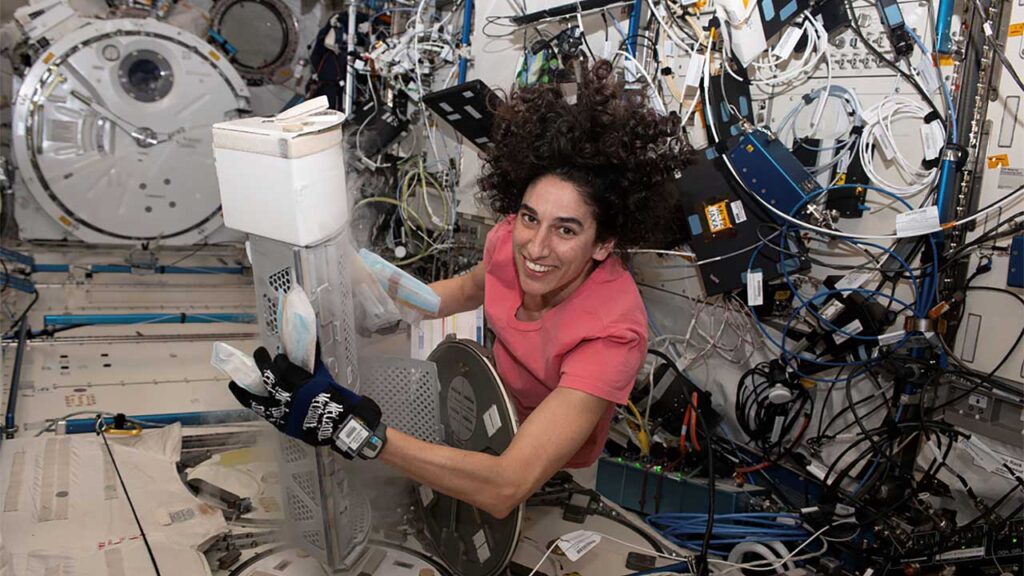
In celebration of Valentine’s Day, the ISS National Lab highlighted research from Emory University studying cardiac cells in space to accelerate regenerative therapies that could reverse damage from heart disease. Learn more.
Six research projects were selected through a joint solicitation from the ISS National Lab and the National Institutes of Health (NIH) as part of the Tissue Chips in Space 2.0 initiative. The projects aim to accelerate the development of new therapies for cardiac dysfunction, neurological disorders, immune and inflammatory conditions, lung disease, and more. Find out more.
Partner News
Axiom Space and Vast were selected for NASA’s next two private astronaut missions to the ISS. NASA awarded its fifth private astronaut mission to Axiom (targeting early 2027) and its sixth to Vast (targeting summer 2027). This will be the first time Vast sends astronauts to the ISS. Both missions will launch from NASA’s Kennedy Space Center in Florida, with the astronauts remaining on station for up to 14 days.
Axiom raised $350 million to advance its commercial space station and next-generation spacesuits. Type One Ventures and Qatar Investment Authority (QIA) co-led the round, with participation from 1789 Capital, 4iG, LuminArx Capital Management, and others. Axiom Space Founder and Executive Chairman Kam Ghaffarian also participated in the round, reinforcing his commitment to the company’s mission.
Starlab partners with Auxilium Biotechnologies and Helogen Corporation on biofabrication in space. Auxilium will provide 3D bioprinting and biofabrication capabilities on Starlab Space’s commercial space station to enhance R&D in regenerative medicine, implantable medical devices, and tissue engineering. Helogen will integrate HEL-IOS™, the world’s first orbital biomedical operating system, into the Starlab space station, enabling fully autonomous regulatory-grade manufacturing of high-value biomaterials in orbit.
Voyager Technologies was awarded a NASA contract to provide ISS management services. Under the new contract, with a ceiling of $24.5 million over four years, Voyager will deliver end-to-end mission services spanning payload integration, mission operations, safety and compliance, and post-mission closeout.
NASA may be asked to evaluate the viability of moving the ISS to a safe orbit after its retirement. The House Science, Space, and Technology Committee voted to approve a NASA authorization bill that includes this request an amendment. The bill must pass a vote in the House and Senate and then be signed by the president before taking effect.
Results
The most recent issue of Upward, official magazine of the ISS National Lab, is online. Explore valuable findings from space-based R&D—download the current and past issues here.
A study published in Biofilm highlights a new method to measure bacteria in space water systems. Scientists at Arizona State University developed a test to quickly identify bacterial species living in the ISS water system and determine how well disinfectants are working. Such tests will be important for keeping astronauts safe on future long-duration space missions.
Published results from NIH-funded research shed light on the mechanisms behind kidney problems. Researchers at the University of Washington studied how tiny crystals like those that cause kidney stones affect kidney cells in microgravity. The team’s findings, published in the journal npj Microgravity, could help scientists better predict and prevent kidney problems in astronauts and people on Earth.
Voyager Technologies was awarded a sixth patent related to Bishop Airlock. The newly issued patent is for Voyager’s proprietary electrical power and data-interface architecture that enables Bishop Airlock to connect seamlessly to the ISS.