October 2026
Welcome to Space Station Spotlight, the monthly newsletter of the ISS National Laboratory®.

What’s new at the ISS National Lab?
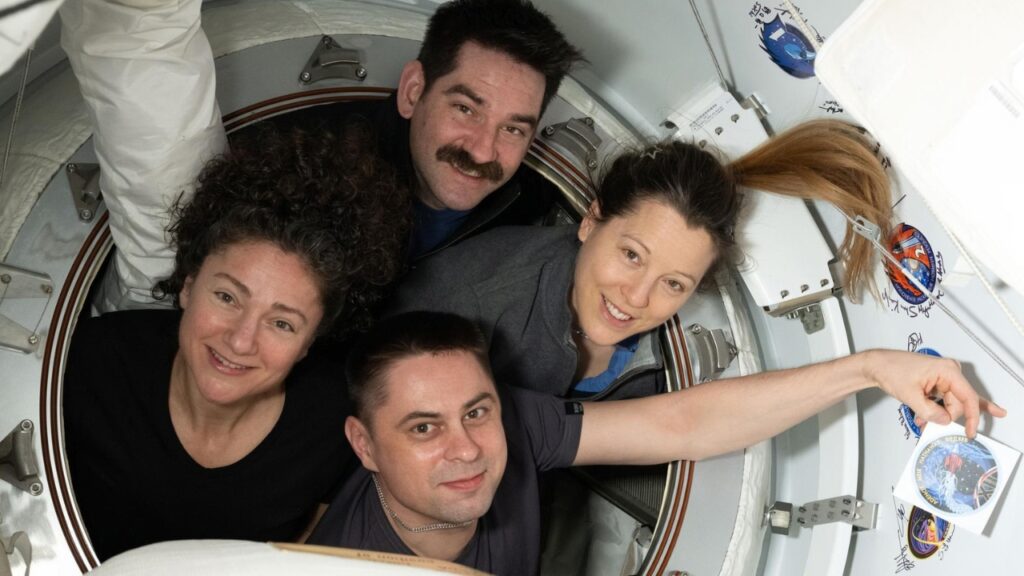
The Crew-12 astronauts supported a wide variety of ISS National Lab-sponsored research, including projects to improve human health, enable next-generation space platforms, and prepare the future workforce. Read more.
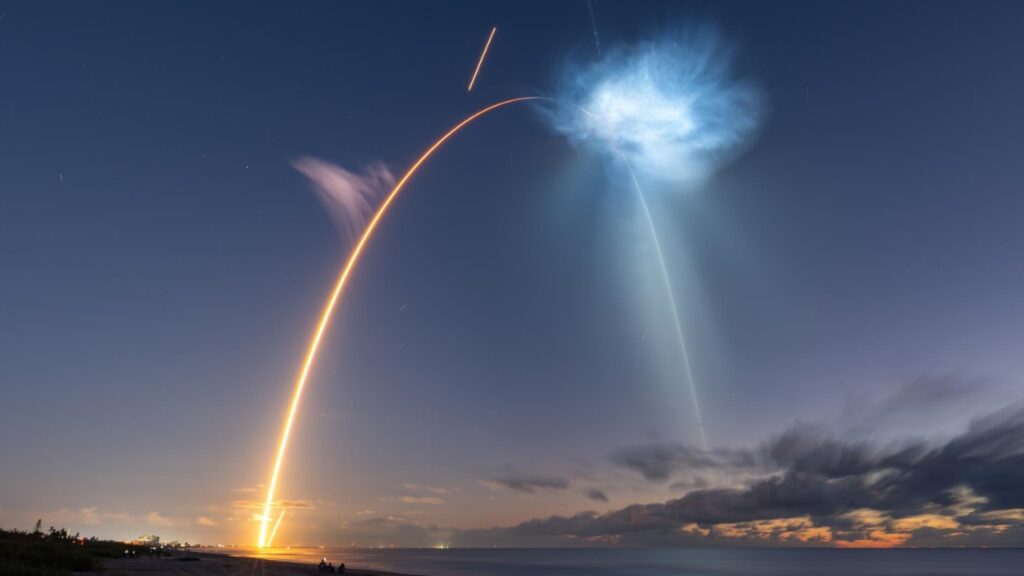
The projects include research to advance treatments for colorectal cancer, an organoid study on neuroinflammation and neurodegenerative disease, an NSF-funded project on the forces affecting mudflow after wildfires, and a student-led DNA experiment. Learn more.
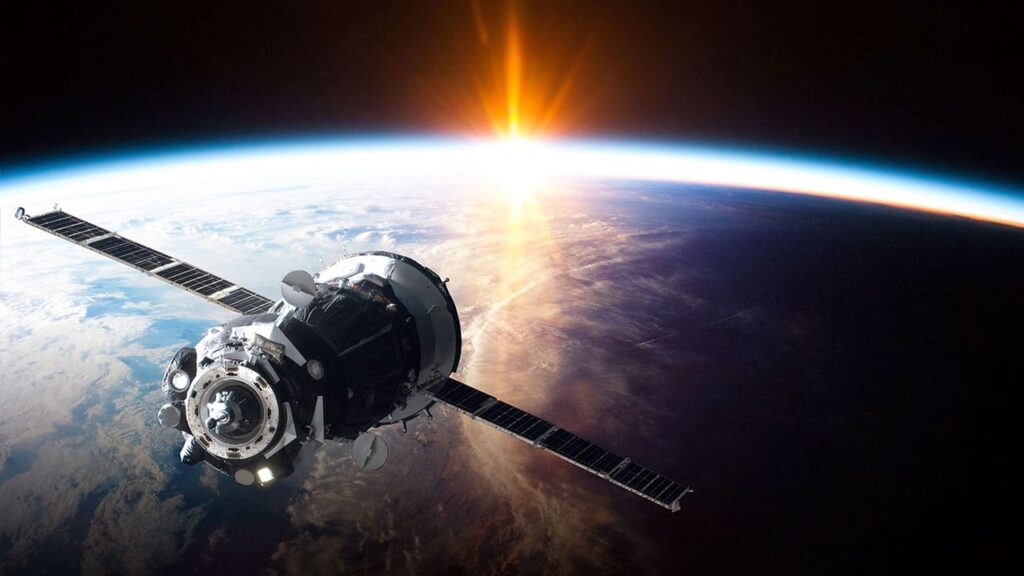
Researchers from the U.S. Naval Research Laboratory explored how microgravity affects microbes’ ability to produce useful materials such as radiation-shielding compounds, food ingredients, medicines, and biomaterials. Learn more.
The event brought together startups from both the Disrupt (in-space manufacturing and space biomedicine) and Sentinel (space technologies and dual-use applications) accelerator tracks. Read more.
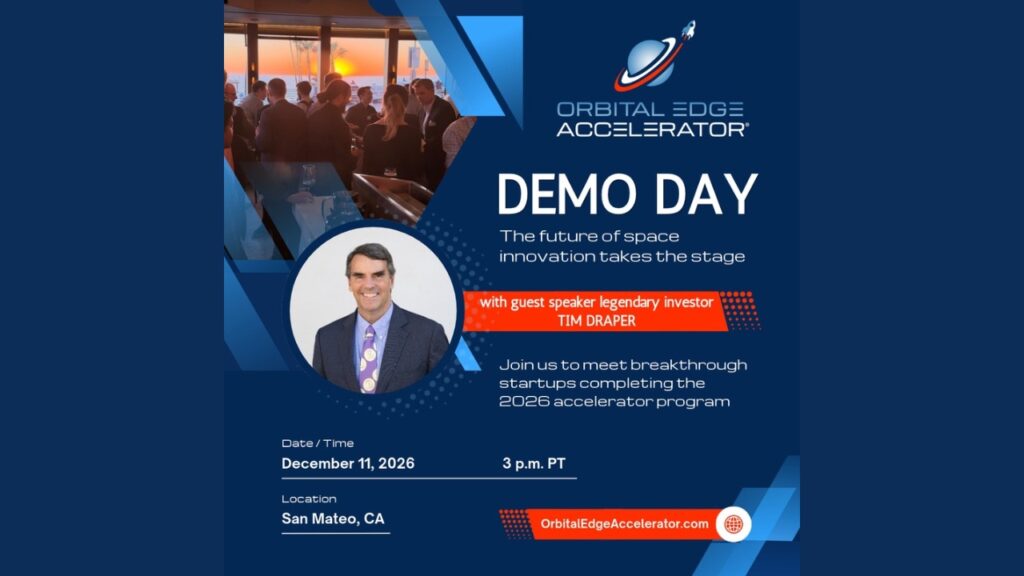
At the event, which marks completion of this year’s Orbital Edge program, cohort startups will pitch their proposed spaceflight projects and venture capital investor Tim Draper will give a keynote address. Read more.
Partner News
NASA released the final request for proposals for its Commercial Low Earth Orbit Destination Contract. The solicitation seeks industry proposals for commercial space stations and transportation services in LEO. NASA plans to award contracts to multiple providers during early development before a competition for final design, certification, and services.
Redwire is partnering with Sophia Space to advance orbital data center infrastructure. The two signed an MOU to explore collaboration on deployable structures, spacecraft integration, and scalable architectures for in-orbit AI and edge computing.
Redwire was awarded a follow-on contract to supply roll-out solar array (ROSA) wings for Axiom’s second space station module. Redwire was previously selected to build the ROSA wings for the first module, which is currently undergoing final assembly and is planned to launch in 2028.
Varda Space Industries raised $251 million in Series D funding to scale its space-based pharmaceutical processing capabilities. The company recently launched its W-7 vehicle carrying an experiment to see how microgravity can improve the solubility of a promising class of cancer medicines known as PROTACs, which are often difficult to formulate.
Orbital Robotics will use NASA’s Astrobee robots, supported by Arkisys, to test its autonomous system for capturing and servicing satellites in orbit. The ISS demonstration will be the company’s first opportunity to test its capture technology, which consists of a pair of robotic arms, and its autonomous control software together in spaceflight conditions.
Symphony Biosciences is partnering with Voyager Technologies on ISS research related to its SymphNode cancer immunotherapy technology. SymphNode is designed to train immune cells to recognize and attack tumors. Voyager will support mission integration, safety reviews, launch preparations, and in-orbit operations for the investigation.
Results
The latest issue of Upward, official magazine of the ISS National Lab, is online. Explore findings from space-based R&D—download the current and past issues here.
Results published in PNAS show that space-grown organoids could help advance brain cancer treatments. Researchers at the University of Notre Dame published findings from their ISS research showing that space-grown organoids more closely resemble human glioblastoma tumors than those grown on Earth.
University of Florida researchers identified a new method to measure surface tension by using vibrations to create instability in fluids. The findings, published in npj Microgravity, could help improve heat-removal systems and fluid-management technologies for future space missions.
Published results demonstrate a new way to use light to precisely position tiny metal nanoparticles. The technique, developed by researchers at the University of Notre Dame, could enable more advanced sensors, optical devices, and other technologies by making it easier to accurately position nanoparticles.
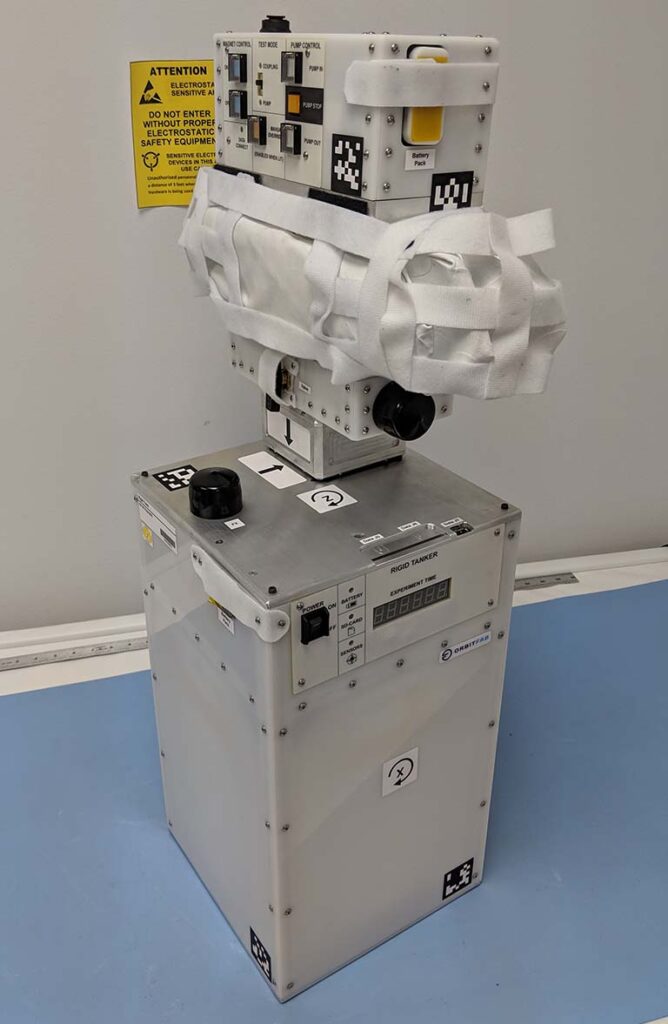
Orbit Fab qualified a new European variant of its successful RAFTI in-orbit refueling interface. The new interface could allow satellites using electric or chemical propulsion to be designed for future refueling with Orbit Fab technology. In 2018, Orbit Fab conducted its first in-space refueling technology demonstration through the ISS National Lab.